History at Home: A Different Kind of Valor: South Carolina’s Yellow Fever Volunteers
In 1898, South Carolinians rallied to join the United States war effort against Spain. A monument on the State House grounds honors their service and notes a few soldiers by name: soldiers who volunteered for a hazardous mission facing an enemy deadlier to US forces than the Spanish had been. Learn about their heroism in the war on Yellow Fever.
A boulevard in Greenville, Federal and state buildings, statues on the State House grounds and in Statuary Hall in Washington DC – Wade Hampton III’s legacy is widespread. Get to know the leader, and the man, behind this legacy, through stories of his wartime service and personal life.
The hundreds of eager young Royal Air Force flying cadets who arrived in Camden, South Carolina, wanted to fly Spitfires, as the heroes of the Battle of Britain had done. Most would not. Instead, they’d fly to war in Lancaster and Halifax bombers, attacking German cities by night as part of Bomber Command. Learn about South Carolina’s connection to one of the Second World War’s most devastating and costly campaigns.
History at Home: Dread of the Adriatic: U-Boat Skipper Georg Von Trapp
If you’ve seen “The Sound of Music,” you know Capt. Von Trapp as the dour, if brave and distinguished, man whose household is transformed by his children’s governess, Maria. But before that, he was a bold naval leader with a flair for unconventional tactics – a U-boat captain, a staunch monarchist, and an Austrian patriot.
History at Home: Sailing to War in the Pacific: The USS Columbia, CL 56
Columbia, a 10,000-ton light cruiser named in honor of the city of Columbia, SC, was a distinguished US Navy warship engaged in some of the hardest fighting in World War Two. Hear stories of the ship and her heroic crew!
History at Home: Iron Men and Canvas Wings: SC Aviators in The Great War
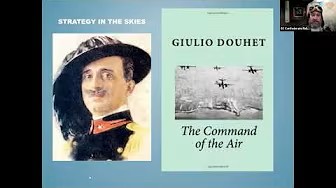
Not only was World War One fought across continents, it was also fought in three dimensions. Radical new “flying machine” technology began to transform warfare, and South Carolinians were among the new breed of warriors who fought among the clouds. Learn about some of these “Flyboys” and their experience of war, illustrated with original images from their own scrapbooks.
When Sherman marched through South Carolina, his flanks were continuously harried by a young Confederate calvary general whose roughhewn Western troops defeated their Federal counterparts at Aiken, South Carolina, and held the Union advance up for a day at Congaree Creek five miles from Columbia. Thirty-three years later, the same man left Congress to be Theodore Roosevelt's commanding officer in the Spanish-American War! Learn about the fascinating career of the general who earned the sobriquet "Fighting Joe."
History at Home: Leadership Lessons from Fredericksburg
Learn how three South Carolinians, at three different levels of military responsibility, had an effect at the 1862 battle of Fredericksburg – and far beyond.
Curator of Education Joe Long discusses Relic Room flags and stories in this edition of History at Home - telling stories of the South Carolina Confederate Relic Room & Military Museum during quarantine!
Curator of Education Joe Long discusses How to Be a Villain in this edition of History at Home - telling stories of the South Carolina Confederate Relic Room & Military Museum during quarantine!